Context
Why native plants matter for pollinators in Canada
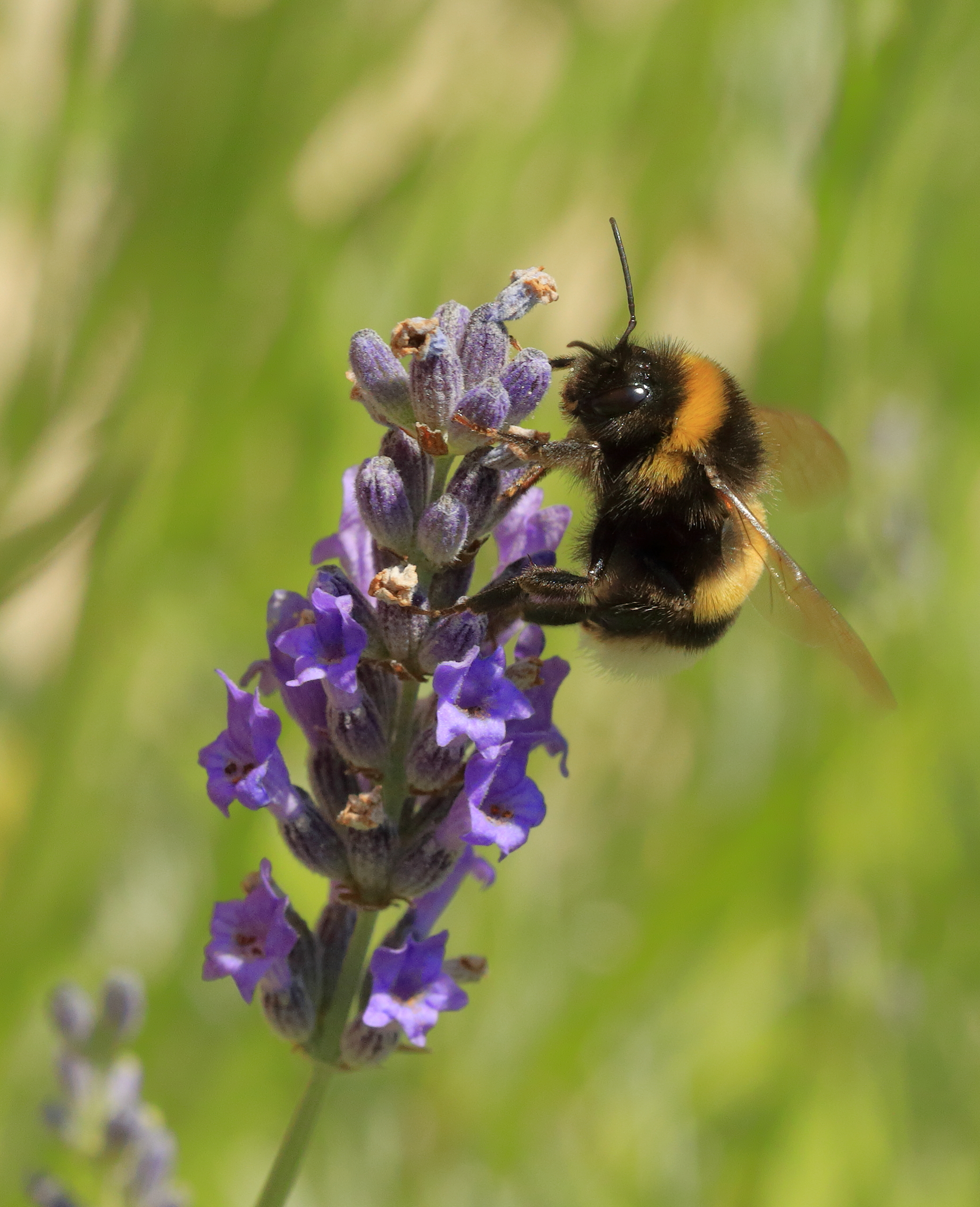
Canada is home to roughly 860 species of native bees, in addition to the more widely recognized European honeybee. Many of these species — including bumblebees of the genus Bombus and dozens of solitary ground-nesting bees — have evolved alongside specific native flowering plants over thousands of years.
When yards replace native plant communities with turfgrass and ornamental species, these specialized relationships are disrupted. A yard with a dense lawn and a single ornamental rose provides substantially less forage than a smaller bed planted with goldenrod, wild bergamot, and native asters.
- Native bees are often more effective pollinators of native plants than non-native species.
- Many native bees are ground-nesting and require undisturbed bare or sparsely vegetated soil.
- Bloom sequences matter: early spring and late fall forage is often the scarcest.
- Canada's climate zones (3–8 in most populated areas) determine which species establish reliably.
- Pesticide-free zones reduce direct toxicity and allow recovery of resident insect populations.