Native Plants & Pollinators — Canada

Building a backyard habitat for native bees, butterflies, and beneficial insects

Bloom calendars, host plant selection, and pesticide-free design for Canadian yards — from British Columbia to Nova Scotia.

Updated May 2026  ·  softfield.org

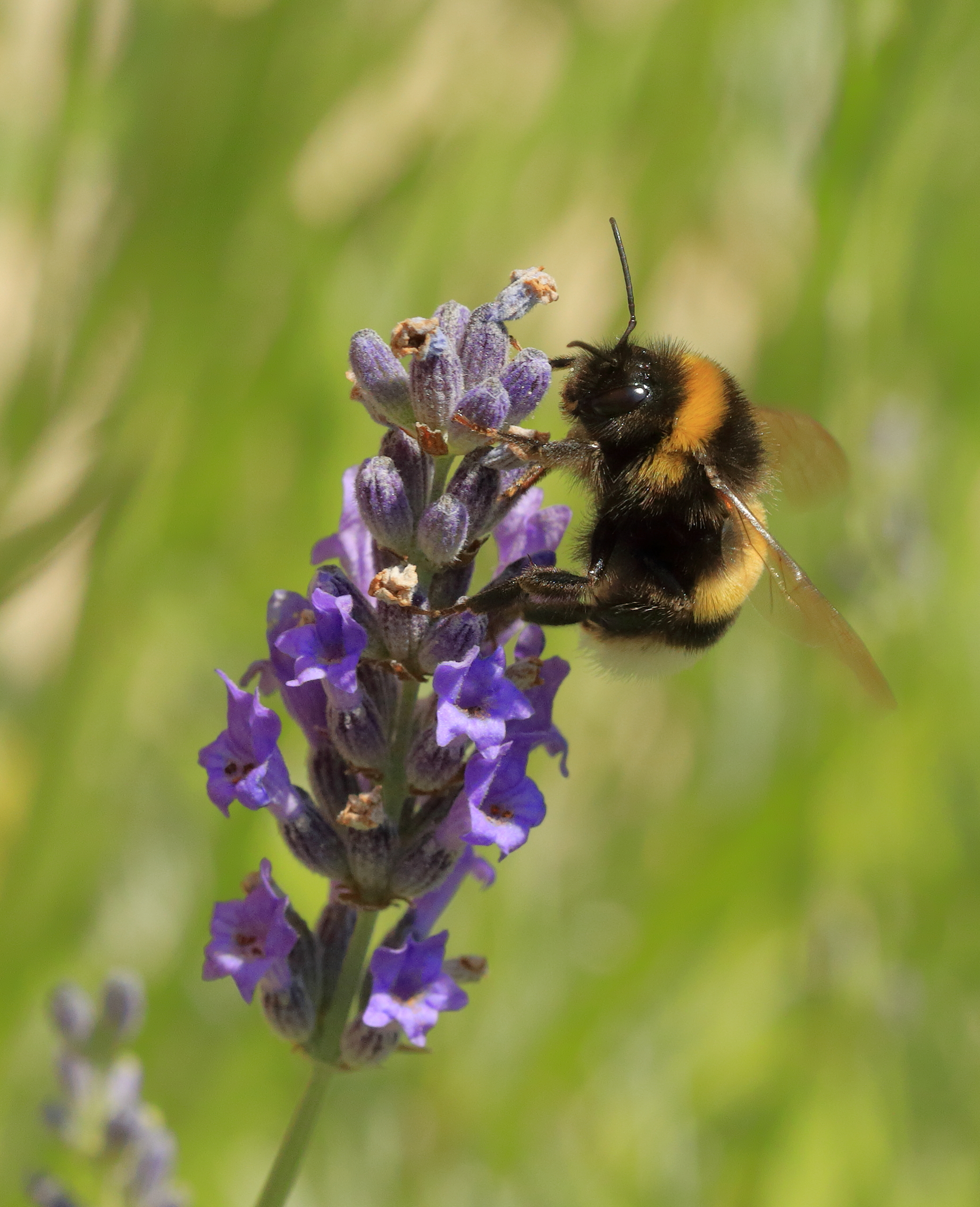
Bumblebee foraging on lavender blossom

A bumblebee foraging on lavender. Photo: Wikimedia Commons / CC BY-SA.


Guides and references

Three in-depth articles covering the key dimensions of backyard pollinator habitat in Canada.

Native bee on purple coneflower
Bloom Calendar

Building a Bloom Calendar for Canadian Pollinators

How to sequence native flowering plants so something is always in bloom from early spring through late fall across Canadian hardiness zones.

May 2026
Monarch butterfly on milkweed
Host Plants

Host Plants for Bees and Butterflies in Canada

Which native plants support larval development and adult feeding for species commonly found in Canadian backyards, including monarchs and native bumblebees.

May 2026
Native wildflower garden
Pesticide-Free Zones

How to Create a Pesticide-Free Yard Zone

Practical steps for reducing or eliminating pesticide use in defined yard areas, with alternatives suited to Canadian growing conditions.

May 2026

Why native plants matter for pollinators in Canada

Canada is home to roughly 860 species of native bees, in addition to the more widely recognized European honeybee. Many of these species — including bumblebees of the genus Bombus and dozens of solitary ground-nesting bees — have evolved alongside specific native flowering plants over thousands of years.

When yards replace native plant communities with turfgrass and ornamental species, these specialized relationships are disrupted. A yard with a dense lawn and a single ornamental rose provides substantially less forage than a smaller bed planted with goldenrod, wild bergamot, and native asters.

  • Native bees are often more effective pollinators of native plants than non-native species.
  • Many native bees are ground-nesting and require undisturbed bare or sparsely vegetated soil.
  • Bloom sequences matter: early spring and late fall forage is often the scarcest.
  • Canada's climate zones (3–8 in most populated areas) determine which species establish reliably.
  • Pesticide-free zones reduce direct toxicity and allow recovery of resident insect populations.
Early goldenrod, a key native pollinator plant

What you will find here

Softfield collects and organizes practical, regionally relevant information on backyard pollinator habitat planning in Canada. The content draws on publicly available resources from organizations such as Wild About Gardening (a program of the BC Society for Ecological Restoration), Seeds of Diversity Canada, and the Pollinator Partnership Canada.

Articles focus on bloom calendars, host plant selection, and pesticide-free zone design — three areas where yard-level decisions have measurable effects on local pollinator populations. Regional notes are included where Canadian conditions differ meaningfully from general North American guidance.